- Event Pulse
- Posts
- Make Them Want to Attend
Make Them Want to Attend
Newsletter 180: The playbook and checklist to make your events unmissable

Camelia Yeung
February 02, 2026
In previous editions, we talked about event burnout and how delegates are becoming increasingly discerning about which conferences make the cut or worse, making those decisions at the last minute.
The good news? YOU can reverse this trend. This edition gives you the practical tools to do exactly that. First, we're diving into ten game-changing strategies to drive attendance, create genuine buzz, and prove ROI, from gamifying networking to capturing the data that sponsors actually care about. Then, we're breaking it all down into a practical three-phase checklist covering what to do before, during, and after your event to turn a single experience into lasting engagement. Consider these your companion pieces: the playbook shows you what works and why, while the checklist gives you the step-by-step roadmap to make it happen.
Let's make your next event unforgettable, one people actually want to attend.
New to Event Pulse? Subscribe to get bi-weekly insights on what's working in the event industry. No fluff, just practical strategies you can use. Join event professionals across the globe who are rethinking how experiences get made.
Goodbye same old events where presenters that are droning on like a Minion explaining something very seriously. Let's get real people: the events industry has changed. Your attendees aren't just looking for another day of PowerPoint presentations and lukewarm coffee. They want experiences worth talking about, Instagram stories worth posting, and memories that justify taking time away from their Netflix queue.
If you're an event planner looking to drive attendance, create genuine buzz, and prove ROI to sponsors, here are ten essential dos and don'ts that will transform your events from forgettable to phenomenal.
THE DO'S
1. DO: Gamify the Networking
Yes, yes, yes, we’ve talked about this before, and I’ll say it again. Nobody actually enjoys awkward networking. You know what people do enjoy? Winning things.
Events with gamification see 34% higher engagement rates, and 83% of attendees report feeling more motivated to participate when there's a reward element involved.
Case study: At the FITUR International Tourism Fair in Madrid, The Traveler’s Route turned the exhibition into a gamified journey, inviting attendees to complete cultural challenges at participating stands as they “travelled” through destinations across the show floor. The result was a 28% increase in average dwell time at exhibitor stands, proving how well-designed gamification can meaningfully boost engagement at large international trade fairs.
Here's your action plan: set up a point system tied to behaviors you want to encourage (session attendance, booth visits, social shares). Use event apps like Whova or Attendify with built-in leaderboards. Offer tiered rewards from instant gratification like coffee vouchers to grand prizes like free passes for next year. And here's the secret: team challenges go viral faster than individual ones, every time.
2. DO: Design Instagram-Worthy Moments
If it's not on Instagram, did it even happen? According to Bizzabo, 78% of event attendees share photos on social media. Each well-designed photo opportunity can generate ten times the reach of your actual attendee list through organic sharing.
Case Study: Think about Refinery29's 29Rooms event. Just four days, 25,000 attendees, but over 600 million social impressions. How? Every single room was designed specifically for shareability. Or consider the Museum of Ice Cream's sprinkle pool, which generated over one billion social impressions. Yes, billion with a B.
Follow the three S's rule: Stunning (visually striking), Shareable (easy to photograph), and Signposted (clearly branded but not obnoxiously so). Create at least three photo moments throughout your venue to avoid bottlenecks. Include your event hashtag in the physical installation design. And please, hire a lighting designer, not just an electrician. If it doesn't look good on an iPhone, your attendees won't share it.
3. DO: Leverage Micro-Experiences
Microsoft research shows that 45 to 60 minute keynotes see a 40% attention drop-off. Translation: people are bored. The solution? Stop forcing everyone into the same marathon sessions and create variety.
Case study: TED Talks are designed as powerful micro-experiences, with most talks capped at 18 minutes and some lasting under a minute, yet still delivering ideas that resonate globally. By intentionally limiting time and sharpening focus, TED proves that shorter, well-structured experiences can drive deep engagement, clarity of message, and long-lasting impact, an approach event designers can apply to sessions, activations, and content formats.
Try the 30-20-10 rule: no session over 30 minutes, most around 20, and some quick hits at 10. Create zones, not just rooms. Build in forced breaks by closing all sessions for 15 minutes every 90 minutes to encourage mixing. Your attendees will thank you for respecting their attention spans.
4. DO: Create FOMO-Inducing Exclusivity
Limited access drives three times higher perceived value, and 67% of millennials say they're more likely to attend an event if there's exclusive access involved.
Case study: Spotify’s Who We Be events are intentionally designed as intimate, high-demand experiences that use exclusivity to create powerful FOMO. By turning a popular playlist into a live show with a capacity of around 500 people, Spotify generates intense buzz and demand, with waitlists often exceeding 50,000 users and extending the event’s impact far beyond the room.
Create tiers in your event: general admission, VIP, and ultra-limited VVIP. Offer "earn your way in" options through early registration, referral programs, or social sharing unlocks. Announce mystery guests or sessions only 24 to 48 hours before to keep people checking your channels. And remember, "join waitlist" is psychologically more compelling than "sold out."
Events with dedicated social strategies see 2.4 times higher registration year-over-year. User-generated content has 6.9 times higher engagement than brand-generated content. Do the math.
Case study: TED designs its events with sharability built in from the start, embedding share buttons in its app, surfacing tweetable quotes during talks, and using live Q&A polls across social platforms. These features encourage real-time discussion, clip sharing, and post-event amplification, allowing individual moments to travel far beyond the stage and dramatically extend the life and reach of the event.
Your framework should cover three phases. Pre-event: countdown content, speaker spotlights, and attendee features. During the event: live social walls, dedicated content creator passes, real-time quote graphics, and branded digital swag. Post-event: attendee-generated recap videos and best-of compilations.
Make sharing effortless with QR codes linking to pre-populated social posts and Instagram story templates. Incentivize it by featuring the best post of each day on the main stage. Give people a reason to talk about you.
THE DON'TS
6. DON'T: Ignore the Post-Event Content Gold Mine
Your event might last three days, but your content should drive engagement for 365 days. Yet 63% of event attendees say they'd be more likely to return if they could access content afterward.
Look at the TEDx model. Every talk is recorded and posted on YouTube. A single 18-minute talk can generate millions of views and drive attendance to future events. TED's YouTube channel has over 40 million subscribers. That's the power of treating your event content as an ongoing asset.
Case study: AWS re:Invent, Amazon’s annual cloud computing conference, extends engagement well beyond the live event by recording keynotes, Innovation Talks, and breakout sessions and publishing them on the AWS Events YouTube channel within 24 to 48 hours. This rapid content release keeps conversations going, reinforces key messages, and allows the event to continue delivering value to a global audience long after the doors close.
Record everything during your event, even if you don't publish it all. Within the first week, send attendees a thank-you email with a photo gallery and a two to three minute highlight reel. Over the next few weeks, release full session recordings, create interview content with speakers, and gather testimonial videos. Then use that content all year long for social media, blog posts, and webinars. Track the metrics because this data will sell next year's sponsorships.
7. DON'T: Overlook Micro-Influencers
Micro-influencers with 10,000 to 100,000 followers have 60% higher engagement rates than macro-influencers, and the cost per engagement is 6.7 times lower. For audiences in their twenties and thirties, authenticity beats reach every single time.
Case study: Save Our Oceans, a nonprofit organization, used micro-influencers to promote an upcoming fundraising event by partnering with environmentally conscious creators who shared personal stories and clear calls to action on social media. The campaign led to a 50% increase in donations year over year, raising over $100,000, and drove a 300% rise in volunteer sign-ups, demonstrating the impact of micro-influencers in cause-driven campaigns.
Identify 20 to 50 micro-influencers in your specific industry niche. Offer value beyond money through VIP access, speaking opportunities, and networking with brands. Create an exclusive creator lounge for content creation. Build long-term relationships by inviting the same micro-influencers year after year so they become genuine event evangelists.
8. DON'T: Forget the "Third Space" Effect
People spend over 15 hours at multi-day conferences. Sterile environments kill energy and creativity. According to PCMA, 72% of attendees say venue atmosphere significantly impacts their event experience.
Case study: At IMEX 2022, organizers created a Be Well Lounge, an inflatable space with calming lights, meditation sessions, healthy snacks, and drinks, offering attendees a chance to recharge between sessions. Free fitness classes and relaxation activities complemented the lounge, demonstrating how thoughtfully designed “third spaces” can enhance attendee well-being and overall engagement at meetings and conventions.
Audit your space honestly. Would you want to spend eight hours there? Zone your venue into high-energy areas for sessions, medium-energy spaces for networking, and low-energy zones for quiet rooms and charging stations. Invest in varied seating, natural or warm lighting, plants, temperature control, and actually good coffee. Add unexpected touches like art installations, curated playlists, and interesting textures. These details matter more than you think.
9. DON'T: Underestimate Food as Experience
Here's a sobering stat: 86% of attendees say food quality impacts their overall event satisfaction. Food is the third most photographed element at events, after people and branded installations. Bad food equals bad reviews, regardless of how brilliant your content is.
Case study: For its third anniversary in Chicago, Tzuco hosted 250 guests for a five-course Mexican farm-to-table meal led by chef Carlos Gaytán and four guest chefs from Mexico and Latin America. From a Herradura Reposado welcome cocktail to Kobe beef with burnt onion puree using ingredients flown in from Baja California, the event turned regional cuisine into a collaborative, sensory experience celebrating the flavors of the Mexican Pacific.
Rethink your entire approach to catering. Replace buffet steam trays with food stations featuring live cooking. Partner with local restaurants instead of generic caterers. Make food part of the schedule as a "lunch experience," not just a break. Use beautiful plating that looks good on Instagram. Create signature cocktails and mocktails with event branding.
Use food strategically throughout the day. Position your coffee bar as an intentional networking space. Offer afternoon snacks to combat the 3pm energy dip. Showcase regional cuisine to enhance sense of place. And make dietary accommodations clearly labeled and plentiful, because 30% of your attendees have restrictions.
10. DON'T: Skip the Data Capture Strategy
This is where you prove your value. A staggering 78% of sponsors say they can't prove event ROI due to lack of data. Meanwhile, events that track engagement metrics command 43% higher sponsorship rates year-over-year.
Case study: At SXSW, the official event app hosted sponsored polls and surveys branded by partners such as Capital One and Bud Light, capturing valuable attendee preference data. Post-event, sponsors received detailed engagement metrics and insights, allowing organizers to demonstrate ROI and provide targeted recommendations for future partnerships and renewals.
Capture data at every stage. Pre-event: registration source, job titles, session preferences. During the event: session attendance, dwell time, booth visits through beacon technology, social media engagement, and app activity. Post-event: send surveys within 24 hours for the best response rates.
Use tools like Whova, Attendify, or EventMobi for app analytics. Implement badge scanning and beacon technology. Deploy social media listening tools. Then create visual dashboards that make the data compelling for stakeholders. Sponsors want proof their investment worked. Give it to them.
The Bottom Line
Big budgets don’t make great events. Smart design, clever tech, and understanding what sparks your audience do. When every interaction is intentional and engaging, attendees leave inspired, connected, and already looking forward to the next one.
Great events don't just happen on event day. They're built across three key phases that turn a single experience into lasting engagement. Here's my practical checklist for planning events that people remember and talk about long after they end.
Before: Build Anticipation and Community
Feature registered attendees with personalized graphics or schedules they'll want to share
Create valuable countdown content like in-depth speaker interviews and session previews
Set up pre-event networking through apps like Brella or Grip so connections form early
Launch a Slack or Discord channel weeks in advance to build community before day one
Give people reasons to check your channels daily with fresh, relevant content
During: Deliver Experience and Capture Everything
Design distinct zones for different energy levels (high, medium, and quiet spaces)
Create unexpected micro-moments like handwritten notes, surprise performances, or perfectly timed treats
Make sharing frictionless with well-positioned photo opportunities and helpful staff
Record every session and document behind-the-scenes moments authentically
Create real-time quote graphics and social content from sessions as they happen
Track attendance patterns and engagement with apps, badge scanning, or beacons
Stay agile and adjust based on what's actually happening (add sessions, move activations)
After: Extend Value and Prove ROI
Send thank-you emails within 24 hours with photos and a short survey (under 5 questions)
Release session videos and content within the first week while momentum is high
Build a content calendar extending your event for months (interviews, takeaways, webinars)
Create compelling sponsor reports with visualizations, heat maps, and engagement data
Track key metrics: attendance, social impressions, content views, satisfaction scores, renewals
Ask specific survey questions that inform next year's planning (formats, topics, preferences)
Keep your community active year-round with ongoing discussions and connections
Remember: You don't need to do everything. The best events often do one thing exceptionally well rather than ten things adequately. Use this framework as a strategic guide, not a rigid checklist. Choose the elements that serve your specific goals and audience. Build anticipation for what matters, deliver it brilliantly, and extend its value afterward. Your attendees will always respect clear intention over scattered ambition.
Ever wondered how "less is more" plays out in event production? Check out the Flat White Or F*ck Off pop-up as a masterclass in minimalist magic. | 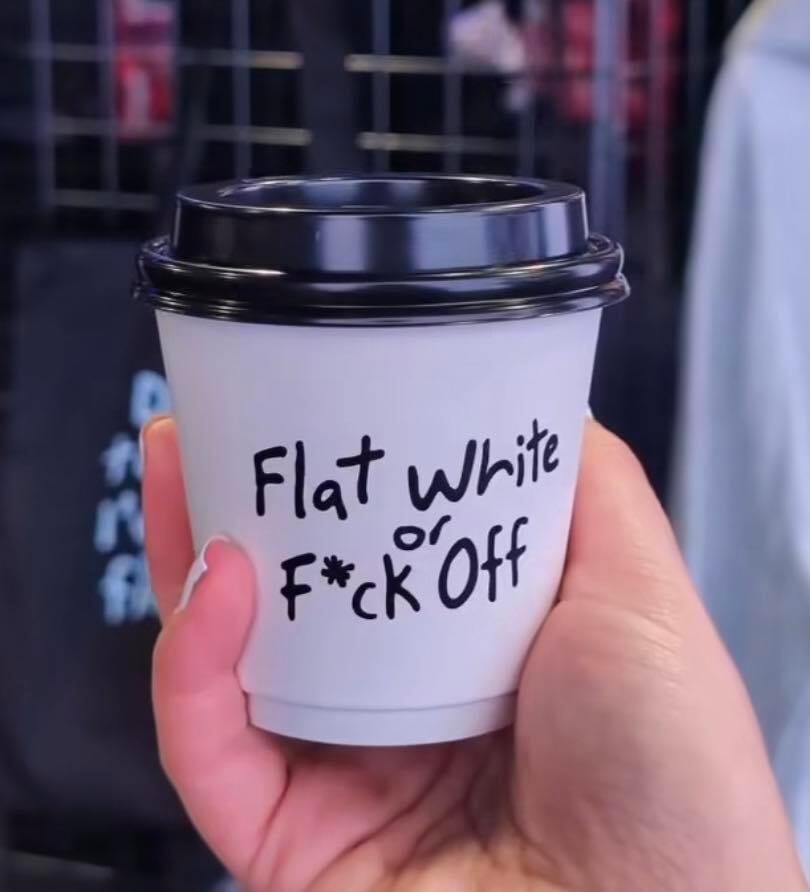 |
Efficiency Wins
Pop-up on Jan 28, 2026: simple sourcing, staffing, and ops. "WE’VE MOVED!" update keeps it real and lean.
Key Takeaway
Cuts costs, amps exclusivity, sparks viral buzz.
Event Producers: Ditch the extras, nail the core. Who's trying this next?
Event Pulse delivers actionable strategies and fresh perspectives on the event industry every two weeks. No generic advice, no rehashed trends—just real examples and practical frameworks you can apply to your next event.
Subscribe now and join event professionals who are designing experiences people actually want to attend.
Reply